Europe’s Automotive Metamorphosis: The Road to 2031
Explore Europe's automotive future with key predictions for the coming years. Will tradition blend with innovation in a rapidly evolving market?

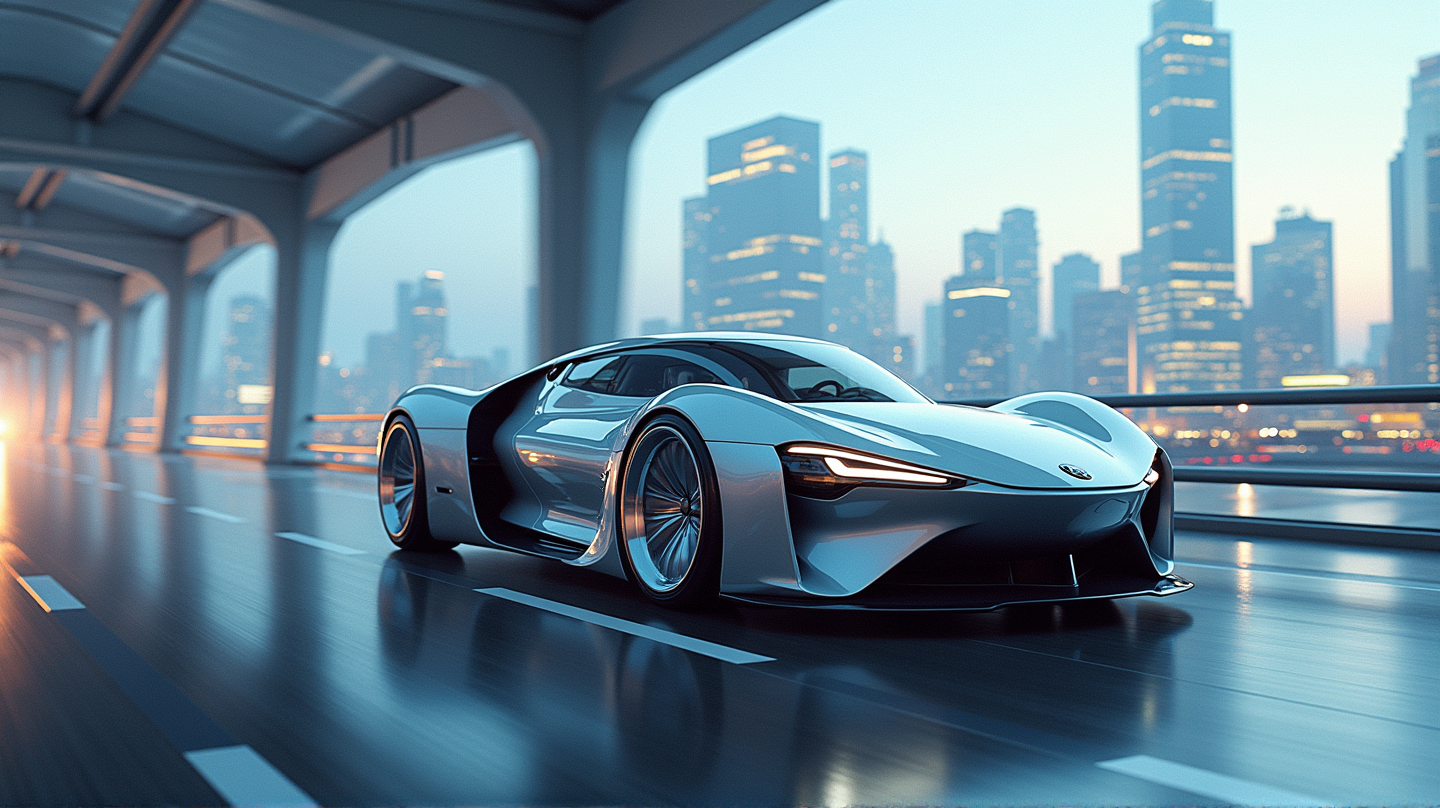
As Europe’s automotive industry faces tectonic shifts, the dawn of 2026 beckons a transformation that’s poised to redefine its very fabric. Paul Bennett, a leading automotive strategist, sketches a revolutionary blueprint that forecasts a reimagined Europe with fewer players, new identities, and a challenging global market landscape.
The Rise of Global Competitors
In a dramatic reversal of roles, Chinese manufacturers now lead global automotive innovations, rivaling German engineering and Italian design. As these burgeoning rivals craft high-quality vehicles at compelling prices, Europe’s age-old automotive giants wrestle with existential questions. Heritage and emotional connections, while invaluable, face relentless price wars and technological advancements from the East.
Facing Regulatory and Environmental Overtures
Europe struggles under stringent emissions and regulatory pressures. With a looming 2035 ban on combustion engines, European automakers are engaged in a frantic race towards electrification, contending with strict fleet emission targets accompanied by severe non-compliance penalties. Some may not survive this turbulent transformation despite steadfast commitment.
A Shifting British and German Landscape
The UK’s narrative is double-edged; while mainstream vehicles wane post-Brexit, its artisanal automotive industry thrives. Meanwhile, legendary German engineering strives to adapt, caught between prestige and the disruptive power of software-driven innovation. Can their engineering marvels pivot swiftly enough to retain their crown?
France’s Pragmatic Approach and Italy’s Emotional Drive
France offers a beacon of optimism with Renault’s adaptable, stylish EV lineup. In contrast, Italy’s supercar segment hinges on emotional allure, buoyed by iconic names like Ferrari and Lamborghini, though mass-market production falters.
Sweden’s Adaptation and the European Electric Odyssey
Swedish automotive spirit, famously embodied by Volvo’s practicality under Geely’s guardianship, battles homogeneity for survival. As Europe vigilantly journeys through a rugged electric transition marked by high stakes and discordant consumer preferences, manufacturers bank on incentives and restructured strategies to endure.
The Unyielding Chinese Surge
China, once a coveted market, now stands as a formidable competitor, outstripping European giants with adept local offerings and expansive export campaigns. With their eyes set on the global stage, Chinese carmakers hold structural advantages through seamless supply chains and governmental support, challenging Europe to reassess its strategies.
Five Predictions Shaping the Future
- Expect mergers, acquisitions, or market exits among Europe’s major manufacturers as they vie for dwindling customers.
- Brace for probable delays or modifications to the 2035 combustion ban due to complex political and economic realities.
- Anticipate a clear bifurcation between cost-focused mass-market producers and luxury brands vying on emotion and tradition.
- Innovation will increasingly prioritize software and user experiences over traditional engineering supremacy.
- The establishment of a comprehensive European battery supply chain fueled by government policies will become imperative, albeit an expensive endeavor.
As Europe maneuvers the automotive evolution, it must unite its heritage with technological prowess under grand competitive odds. Can the spirit of European innovation rise once again amidst global disruptions? The path forward remains fraught with challenges but ripe with opportunities, waiting for the bold to seize them. As stated in Motor Finance Online.