Innovative Student Transforms Emergency Training with Lifesaving Science
Discover how a College of Medicine student is transforming emergency response training with cutting-edge science and community collaboration.

Bridging Academic Medicine and Real-World Emergency Response
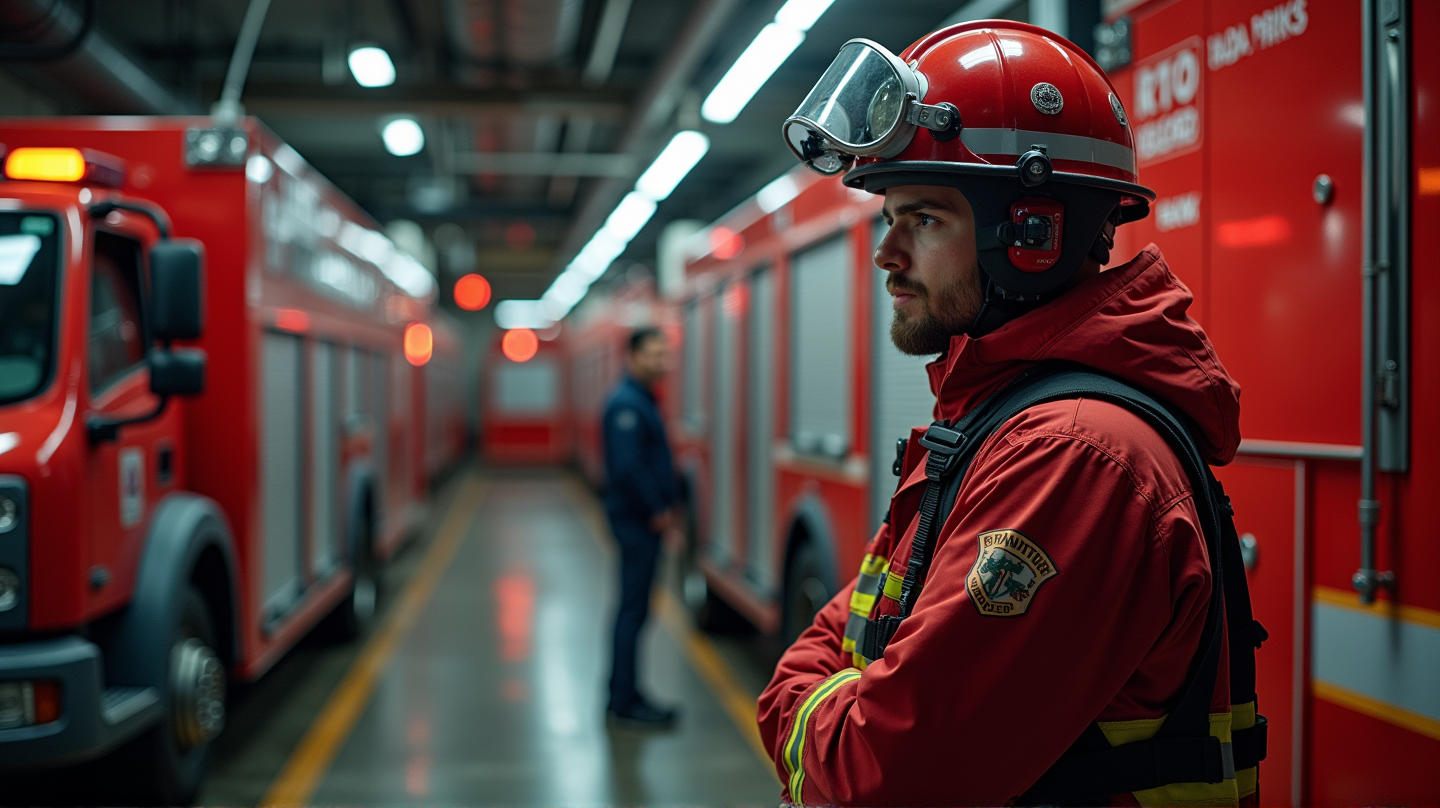
In a remarkable initiative, a local fire station in Fivepoint became the hub for groundbreaking emergency medical training. Under the leadership of Michael Ebert, a dedicated College of Medicine student and EMT, frontline emergency responders were equipped with cutting-edge skills to enhance community health services.
A Classroom Beyond Walls
The Penn State College of Medicine (COM) has long been a pioneer in integrating medical education with community needs. In this unique training session, Ebert transformed the fire department into a classroom where theory met practice. Emergency responders engaged in a comprehensive program aimed at improving cardiac arrest responses, emphasizing the College’s commitment to real-world impact.
An Interactive Learning Experience
Participants, consisting of 45 firefighters and EMS professionals from local departments, navigated through four interactive stations. These stations were designed to impart critical knowledge and skills in cardiac anatomy, high-quality CPR, AED usage, advanced resuscitation techniques, and effective teamwork for patient transfer.
Empowering Frontline Responders
“Supporting the frontline heroes is a crucial part of our mission as future educators and healthcare professionals,” said Ebert. The training not only advanced the capabilities of emergency responders but also reinforced the vital role academic medicine plays in community health.
Lifesaving Collaboration
This innovative training session exemplified the power of partnership between educational institutions and emergency services. By bringing medical science directly to those who save lives daily, the program highlighted an essential link in the chain of survival.
A Testament to Service and Innovation
Through this initiative, the Penn State College of Medicine underscored its commitment to improving health outcomes and fortifying community healthcare by bridging the gap between theoretical knowledge and practical application.
According to Penn State Health News, initiatives like these serve as crucial steps in transforming emergency care and fostering lifelong partnerships between academia and emergency responders.
As Ebert and his peers continue to bring lifesaving science to the front lines, the community stands stronger and more resilient, ready to face emergencies with confidence and expertise.