Navigating the Risks of Facial Recognition: Choose Privacy Over Convenience
Facial recognition tech is reshaping travel and daily life, posing privacy risks. But opting out could be a way to reclaim control, despite conveniences.

In a world where technological convenience often trumps privacy, one persistent question remains: Can we opt out of facial recognition technology?
A Familiar Journey Through Security
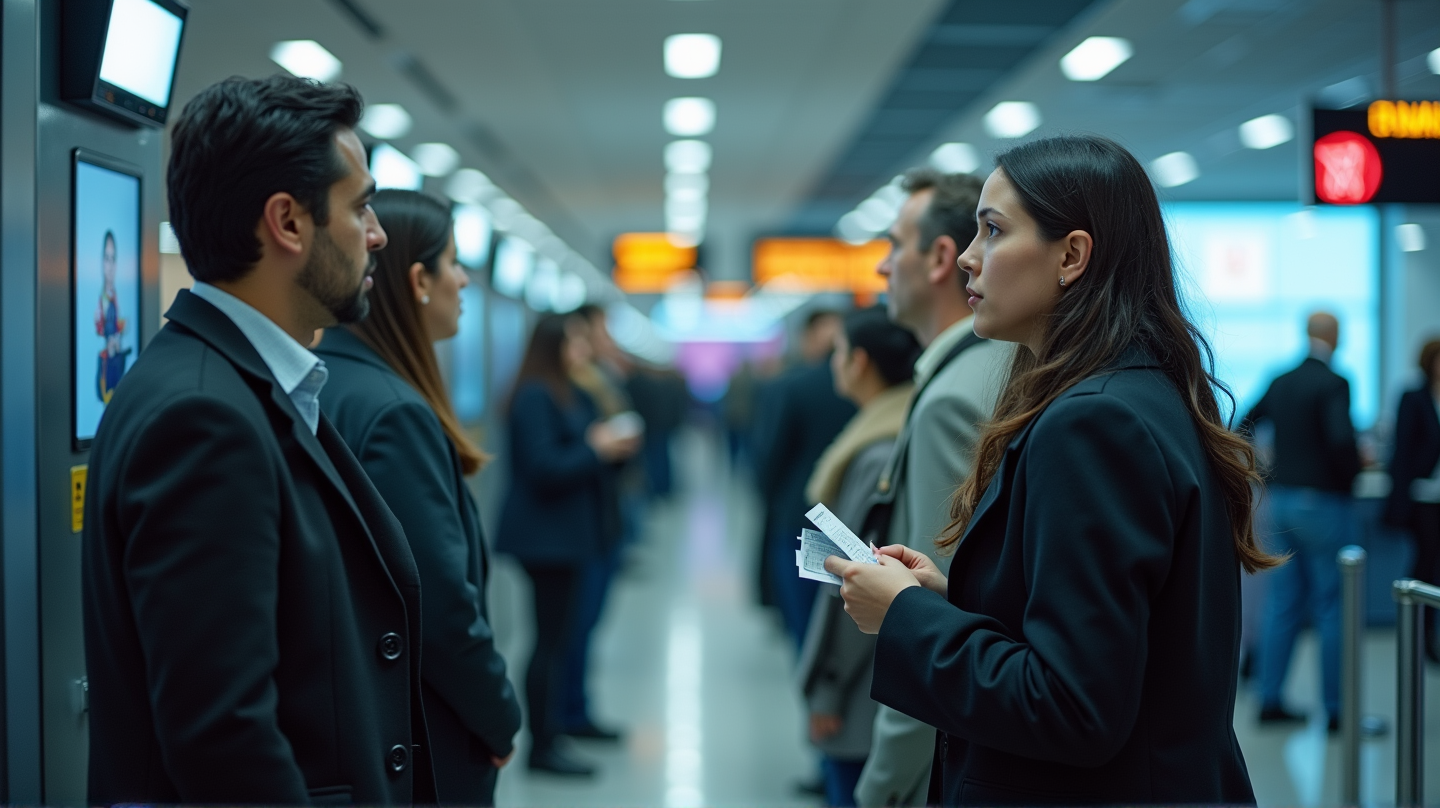
It’s a scene many know well—standing in line at the airport, travelers pass through security protocols that have evolved since the early 2000s. Yet, a relatively new component of this process involves facial recognition. As travelers, we confront the question of whether to capitulate to these digital demands or preserve our privacy.
Once upon a time, saying no to a facial scan seemed impossible, especially in an era fraught with surveillance concerns. However, as observed during Nicholas Russell’s journey, opting out is indeed an option. The simplicity with which others around him declined this technology prompted him to consider the power of choice.
The Allure of Speed and Convenience
Facial recognition’s ascendance within airports represents a small part of broader tech trends emphasizing speed and efficiency. As companies swap out analog systems for digital counterparts, the promise is a seamless experience. But is this efficiency worth compromising on personal privacy?
A Broader Purpose?
Some fear “mission creep,” where the initial goals of technology broaden too far, obscuring original purposes. Surveillance technologies, including facial recognition, have exemplified this trend. Historical examples where data trades occurred with tech firms illustrate how easily public data can be misused.
Implications for Race and Rights
Surveillance measures often disproportionately affect certain racial and ethnic groups. With America’s criminal justice system skewed in its representation, AI systems trained on such data can perpetuate biases, turning seemingly neutral technology into a tool of inequality.
The Cycle of Surveillance
From airports to public venues like sports stadiums and concerts, facial recognition becomes increasingly normalized. It’s often under the guise of enhancing security. Yet, as companies await prospective legislation on the matter, loopholes in regulation enable continued usage.
The Call for Conscious Decisions
Despite the slick veneer of efficiency, the public’s right to privacy needs relentless advocacy. Opting out might not constitute radical defiance, but it remains a vital assertion of agency. At its core, preserving privacy is about cherishing freedoms, a truth more relevant now than ever. According to The Nation, skepticism remains crucial—our small refusals are part of the broader conversation on privacy rights in the digital age.
In this ongoing tension between convenience and civil liberties, the decision to sidestep facial recognition takes on weight beyond the personal.
Nicholas Russell’s insights remind us: What are we indeed willing to trade for a world of smooth efficiency, and is that trade worth the price?