Republicans Challenge Democrats with Alternative Health Care Bill
GOP's Health Care Freedom for Patients Act proposes an alternative to extending ACA tax credits, focusing on HSAs for state exchange users.

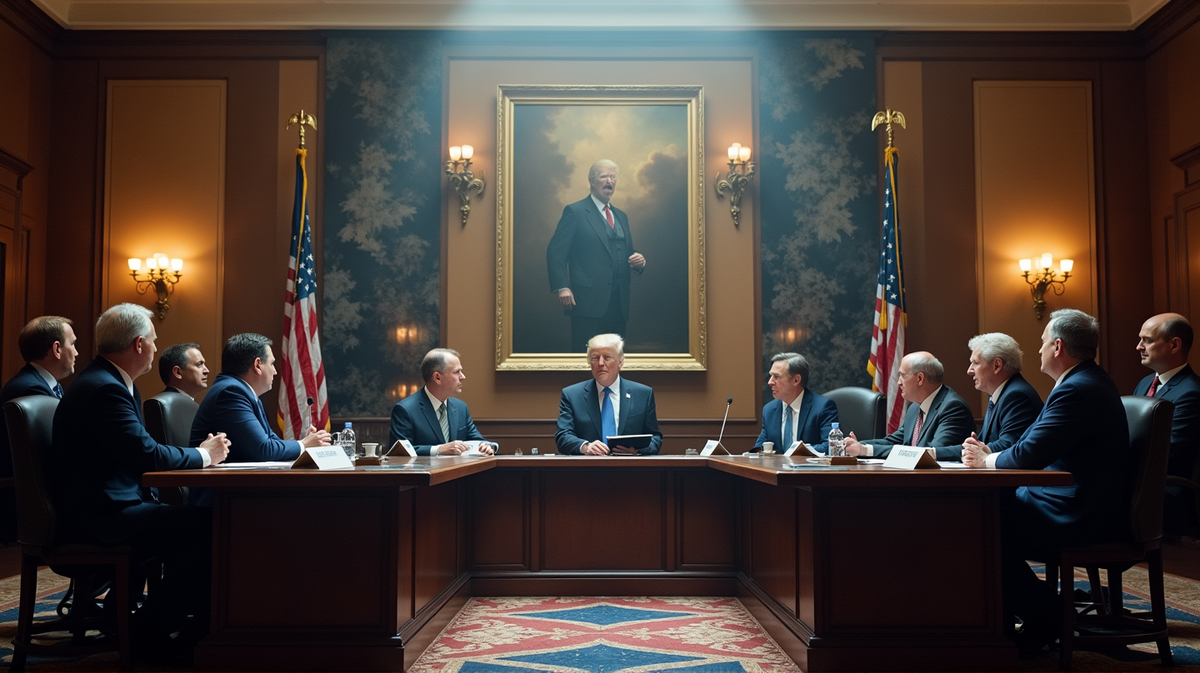
In a surprising twist to the ongoing health care debate, Senate Majority Leader John Thune has announced that the Republicans are setting the stage for a showdown in the Senate over the future of Affordable Care Act (ACA) tax credits. As Democrats push to extend these crucial tax credits, the GOP is countering with its own proposition, the Health Care Freedom for Patients Act.
A Direct Approach to Health Savings
Crafted by GOP Senators Bill Cassidy and Mike Crapo, the Health Care Freedom for Patients Act seeks to shift funds directly to health savings accounts, bypassing the insurance companies and proposing that this will make health care more affordable. Thune emphasized that this alternative aims to deliver benefits straight to patients, presenting what he believes is a budget-friendly solution to the taxpayer, a “win-win proposal” for all involved parties.
Democrats’ Response and Political Strategy
The Democratic party remains steadfast in their mission to extend the ACA tax credits for another three years. Senate Minority Leader Chuck Schumer criticizes the GOP’s proposal, dismissing it as “junk insurance,” revealing the deep divides between the parties. The impending vote symbolizes more than just legislative maneuvering. It’s a test of political will, particularly for the GOP, who-will face a challenging decision on how to approach the Democrats’ extension proposal.
The Economic Impact at Stake
The ACA tax credits have been pivotal in aiding approximately 22 million low-to-middle-income Americans in purchasing health insurance. With the credits set to expire soon, predictions say premium costs could soar by over $1,000 annually, doubling by 2026. As noted by the Center on Budget and Policy Priorities, this rise could place extraordinary financial burdens on those relying on these credits.
Republicans Strategizing the Path Forward
Republicans, holding 53 seats in the Senate, may find their proposal lacking the support needed to meet the 60-vote threshold, just as the Democrats’ attempt is anticipated to fall short. However, the GOP’s push for an alternative has invigorated several Republican lawmakers to unveil their own plans, maneuvering for a compromise that would include limited extensions of the tax credits or revisions for future reform.
An Exercise in Political Messaging
Despite the tension, some in the GOP see the Democrats’ proposal as merely a political statement. Thune has voiced skepticism regarding the Democrats’ intentions, labeling their plan as a “messaging bill,” serving to make a political point rather than effect actual change. Yet, he signals openness to negotiations, hinting at potential bipartisan cooperation should the procedural display pivot towards a genuine legislative effort.
As the Senate braces for the forthcoming health care debate, the dynamic interplay of power, policy, and political strategy sets a fascinating stage. The results of this legislative clash will undoubtedly influence the future of health care in America. According to CBS News, the next few days could reshape the landscape of American health care policy.