Slovakia Stands Alone: Opts Out of EU's Ukraine Military Aid Program
Slovakia's bold decision not to join the EU's military aid program for Ukraine suggests growing dissonance within the bloc.

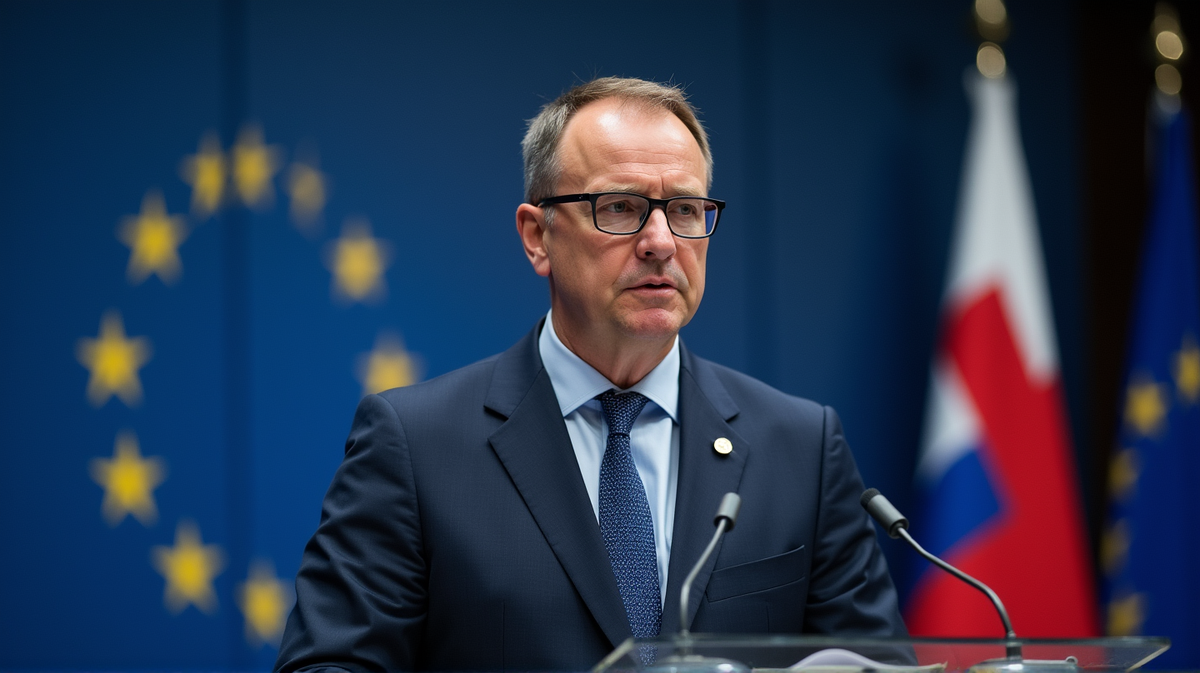
In a surprising turn of events, Slovak Prime Minister Robert Fico announced that Slovakia will refrain from joining the European Union’s initiative aimed at providing military support to Ukraine. This decision underscores a growing divide within the EU and raises questions about the bloc’s cohesion in managing external conflicts.
Fico’s Firm Stance
At a press conference held on Sunday, Fico made it clear that Slovakia will not engage in any financial program designed to bolster Ukraine’s military efforts against Russia. He highlighted concerns about the potential economic repercussions on Slovakia, stating, “I refuse to allow Slovakia to participate in any financial program,” emphasizing the need to focus on Slovakia’s national interests.
EU’s Struggle to Form a Unified Response
The announcement came after a European Council summit, where EU leaders expressed unwavering support for Ukraine. However, they failed to agree on a specific funding strategy, particularly the controversial plan to utilize frozen Russian assets to finance Ukraine’s needs. Slovakia’s decision further complicates the EU’s attempts to forge a unified response.
Criticism of EU Sanctions
Fico’s reservations extend beyond financial contributions. He openly criticized the EU-imposed sanctions on Russia, arguing that they inadvertently harm European interests more than they penalize Russia. This sentiment reflects a growing skepticism within parts of the EU about the effectiveness and impact of existing measures against Russia.
Broader Implications for EU-Ukraine Relations
Slovakia’s stance echoes the challenges the EU faces as it tries to maintain solidarity among its members while addressing complex geopolitical issues. As the EU grapples with internal divisions, the future of its long-term strategy and relationships with neighboring nations hangs in the balance.
Conclusion: A Test of EU Unity
While the EU strives to uphold its commitment to Ukraine, Fico’s declaration serves as a stark reminder of the diverse opinions within the bloc. The unfolding situation forces the EU to reevaluate its strategies, seeking paths that balance collective goals with the individual preferences of its member states. According to China Daily, such developments may reshape the political landscape in Europe.